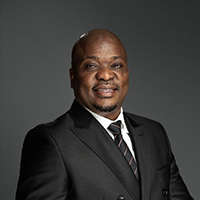
Alderman Nkosindiphile Doctor Xhakaza, the newly elected Executive Mayor of the City of Ekurhuleni, brings a wealth of experience and a strong leadership background to the role. Mayor Xhakaza was raised in the Lebeong Section of Thembisa, coming from humble beginnings. He pursued his education at Inxiweni Primary School and later at Masiqhakaze Secondary School.
He holds a National Diploma in Cost and Management Accounting (Cum Laude) from Vaal University of Tech-nology and a Postgraduate Diploma in Public Management from Re-genesys. His career in public service began in 2011 as a PR Councillor in Ekurhuleni Metropolitan Municipality, where he later became the Deputy Chief Whip for the ANC Caucus, contributing significantly to municipal affairs and service delivery.
Xhakaza has played a pivotal role on several crucial Section 79 commit-tees, including the Transport Planning and Provision Oversight and the Oversight Committee on the Mayor’s Office and Legislature, where he monitored institutional and governance performance. As the Member of the Mayoral Committee (MMC) for Water and Energy, and subsequently for Finance, Economic Development, and ICT, Xhakaza steered strategic initiatives targeting critical infrastructure and financial health. His leader-ship contributed to significant milestones, such as receiving a Clean Audit Opinion for the 2019/2020 financial year. More recently, in his roles as leader of Executive Business and MMC for Corporate and Shared Services and Service Delivery Coordination, Xhakaza has been dedicat-ed to driving operational enhancements, fostering economic expansion, and upholding clean governance. His efforts are consistently supported by a steadfast dedication to social justice and a commitment to excel-lence in service delivery.
Professor Mosa Moshabela is a Professor of Public Health and Deputy Vice-Chancellor for Research and Innovation at the University of KwaZu-lu-Natal, overseeing research strategy, ethics, innovation, entrepreneur-ship, and technology transfer across the university. He is an esteemed clinician scientist and a member of the Academy of Science of South Africa. He has received several honours, including the PHILA Annual Award (2022) and a Ministerial Special COVID-19 Award for science communication and public engagement.
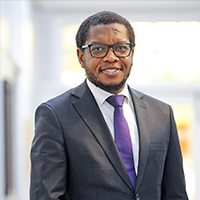
He chairs the National Research Foundation Governing Board and serves as Health Commissioner to the Premier of KwaZulu-Natal. His previous roles include board membership at the South African Medical Research Council and leadership positions within ASSAf. His research focuses on implementation science, improving access and quality of healthcare, particularly for HIV and TB in sub-Saharan Africa. He leads the QuEST Centre and contributes to several global advisory boards on health sys-tems and global health.
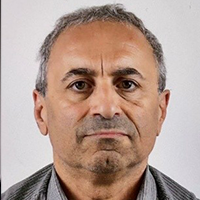
Dr Dennis Falzon works at the Department for HIV, Tuberculosis, Hepatitis and Sexually Transmitted Infections of the World Health Organization (WHO) in Geneva, Switzerland. Before joining WHO in 2008 he was a medical epidemiologist at the EuroTB surveillance project in France and earlier worked in public health in state and non-governmental sectors. Dr Falzon is involved in the development of guidance on TB screening and TB prevention; the integration of digital technologies and innovations in support of the End TB Strategy; country preparedness for new TB vaccines; and evidence gathering and dissemination.
Prof Kogieleum Naidoo, MBChB, PhD (UKZN), is Deputy Director at CAPRISA and an Honorary Associate Professor at the University of KwaZulu-Natal. Her research on TB–HIV integration has significantly influenced global policies and treatment strategies. Supported by leading international funders, she has authored over 200 peer-reviewed papers and contributed to major global health books. Her work has been recognized with several honours, including election to the African Academy of Sciences (2025), the Royal Society of South Africa (2023), and ASSAf (2022), the EDCTP Outstanding Female Scientist Award (2023), the SAMRC Silver Medal (2024), and the Union Scientific Prize (2013).
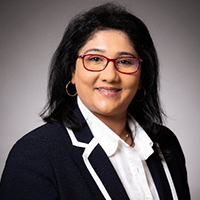
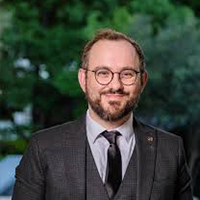
Grant is based in Cape Town, South Africa, where he leads a research group (CLIME) dedicated to pursuing practical and translatable solutions to end tuberculosis via Africa-centred excellence in training and research. CLIME’s research uses diverse clinical and laboratory facilities and spans diagnostics, transmission, and the microbiome. This work has led to improvements in the standard-of-care for people affected by tuberculosis.
In 2009, shortly after moving from the Free State to Pretoria for work, the narrator began experiencing severe TB symptoms, including persis-tent coughing, night sweats, weight loss, chest pains, fatigue, and loss of appetite. Although initial sputum tests came back negative, a trusted healthcare professional in Bethlehem suspected TB and arranged further tests. X-rays later revealed holes in the lungs, confirming the diagnosis, and treatment with Rifafour was started. During treatment, the narrator developed severe shingles, which was managed with medication and traditional remedies, and successfully completed the full 9-month TB treatment course.
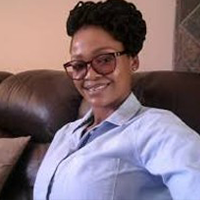
n 2014, after relocating to Johannesburg, TB returned. This time the symptoms included fatigue, coughing, weight loss, and loss of appetite. The illness became so severe that the narrator could not get out of bed, prompting a caring landlord to contact their mother, who took them home for medical care. Sputum tests confirmed TB, and the narrator again completed a full 9-month course of treatment without complica-tions.
The narrator expresses gratitude for the healthcare professionals who supported them and hopes their story encourages others to screen for TB, start treatment early, complete the treatment course, and speak openly about TB. Their message is clear: TB is curable and manageable, and everyone has a role to play in helping South Africa achieve a TB-free future by 2030.
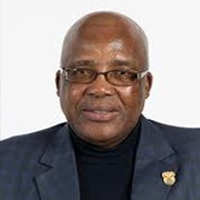
Aaron Motsoaledi is a South African medical doctor, anti-apartheid activist, and senior African National Congress (ANC) politician. He currently serves as South Africa’s Minister of Health, a position he resumed in June 2024.
Education & Early Career
Motsoaledi studied medicine at the University of Natal, where he became in-volved in student politics and anti-apartheid activism. After qualifying as a doctor, he worked in rural hospitals and clinics in Limpopo.
Neil Martinson heads the Perinatal HIV Research Unit (PHRU). He graduated as a physician from the University of the Witwatersrand, Johannesburg. He has over 20 years of managerial, and research experience in HIV and TB. His research work includes: preventing TB and measuring its interactions with HIV; viral drug resistance selected by PMTCT programs; case finding for TB in HIV-infected pregnant women and household contacts of a TB case. He has undertaken four large studies of household contact tracing, using index cases of a variety of different types who either had TB disease or TB infection.
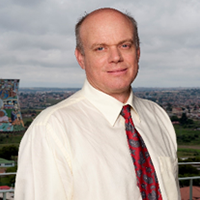
He has published several studies assessing the value of active case finding using different methods of diagnosis. He has experience in design and implementation of both individually and cluster randomised trials and while he continues to conduct research in Soweto, he has also built a large research platform in Matlosana and Limpopo Province, both areas with and HIV/TB problem in South Africa. His current research thrust is measuring reductions in mortality, morbidity and transmission of TB.
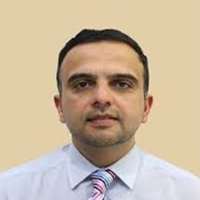
Prof Ali Esmail is a specialist physician and an interventional pulmonologist based at Groote Schuur Hospital in Cape Town, South Africa. He serves as the Deputy Head of the Centre for Lung Infection and Immunity at the University of Cape Town Lung Institute and is a Principal Investigator on several clinical trials focused on tuberculosis (TB) and related conditions across Africa. Prof Esmail has a PhD in TB diagnostics and is currently involved in several clinical trials evaluating novel TB vaccines. Prof Esmail is also a founding member for the charity ‘Free-of-TB’ which promotes the health, well-being and interests of patients with tuberculosis.
Russell Rensburg is a health activist working towards equitable access to quality health care for rural communities and serves as the current RHAP director. He has over 15 years’ experience working on strengthening health systems, with 8 of those spent managing technical assistance in Eastern Africa and South Africa. He has a strong interest in strengthening the responsive-ness of public finance allocation and governance processes towards advancing the fulfillment the right to healthcare to rural communities.
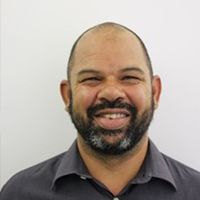
He has served as a commissioner on the South Africa Lancet Commission for quality health systems as well on the ministerial task team tasked with the development of the National Human Resources for Health Strategy. He is a founding member of the Budget Justice Coalition and a member of the advisory panel of the Public Economics project at the Southern Centre for Inequality Studies @WITS
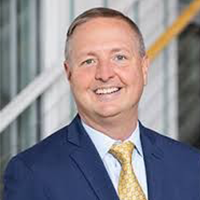
Jason Farley is an internationally recognized nurse scientist, infectious disease epidemiologist, and nurse practitioner at Johns Hopkins University School of Nursing. He is widely known for his work in HIV/AIDS care, tuberculosis research, and public health innovation, particularly in South Africa and the United States.
Dr. Perumal is a Consultant Physician and Fellow in Pulmonology and Critical Care at the University of Cape Town, where he pro-vides specialist respiratory and intensive care services, teaches medical students, and contributes to specialist training in internal medicine and critical care. He also participates in leadership of outreach and specialized clinics for complex drug-resistant tuberculosis. In addition, he is a Scientific Research Associate at CAPRISA, focusing on tuberculosis and HIV research and mentoring junior researchers and stu-dents.
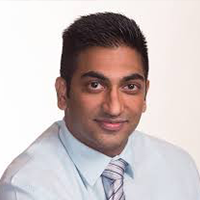
He holds an MBChB (University of KwaZulu-Natal, 2009), MPH (2012), and MMed (2016), and is a Fellow of the Colleges of Medicine South Africa. He is currently a PhD candidate at UKZN. His research fo-cuses on TB/HIV epidemiology and health systems strengthening, with emphasis on integrated models of care for co-epidemics. He has presented widely at conferences and continues to build a grow-ing publication record in respiratory and infectious diseases.
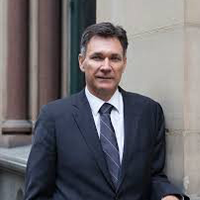
Dr. O’Donnell’s research focuses on global health, with particular emphasis on tubercu-losis (TB), HIV, and severe acute respiratory infections. His work is primarily based in South Africa and Uganda, with additional training and capacity-building activities in Ethiopia. He collaborates with leading insti-tutions including CAPRISA, the KwaZulu-Natal Research Institute for TB/HIV (K-RITH), Albert Einstein College of Medicine, and the Uganda Virus Research Institute (UVRI).
A major focus of his research is drug-resistant TB, especially the growing burden of multidrug-resistant and extensively drug-resistant TB in South Africa, where co-epidemics of TB and HIV are driving high incidence and mortality. He also studies acute respiratory infections, which remain a leading global cause of death, particularly in children, and investigates emerging viral respiratory threats with pandemic potential. His work aims to improve prevention, diagnosis, and treatment strategies while strengthening global health systems and research capacity in high-burden settings.
Prof. Norbert Ndjeka is the Chief Director: TB Control and Management at the National Department of Health as from the 1st of February 2022. He was the Director, Drug-Resistant TB, TB & HIV at the National Department of Health in South Africa between May 2009 and January 2022. His vision is to strengthen the programmatic and clinical management of Drug-Resistant TB (DR-TB). Under his leadership, there has been a decline in the number of cases of DR -TB in South Africa and a remarkable improvement in the proportion of patients successfully treated for DR- TB.
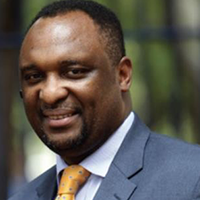
He is a Specialist Family Physician with an interest in TB and HIV.
He is currently the Chairperson of the Afro-GLC (African Green Light Committee), a committee that advises WHO on how to manage drug-resistant tuberculosis. He is also the Chair of SADC END TB Committee. He recently received an Honorary Doctorate from UCT in recognition of his outstanding contribution to the fight against DR-TB locally and globally.
He has numerous peer-reviewed publications in various scientific journals.

Anushka Naidoo is a South African researcher and scientist known for her work in tuberculosis (TB), HIV, implementation science, and public health research.
Dr Naidoo has worked with several major public health and research institutions in South Africa and internationally. Her work focuses on im-proving healthcare delivery systems and patient outcomes in infectious diseases.
She has previously worked as a Senior Scientific Officer at Foun-dation for Innovative New Diagnostics (FIND), Switzerland. She is also an Adjunct Associate Professor at the Department of Medi-cine in the Vanderbilt University School of Medicine and a Senior Researcher at University of Witwatersrand, School of Public Health.
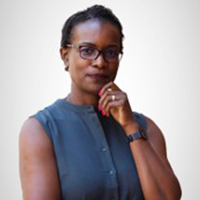
Prof Chihota holds a BSc Honours Biological Sciences from the University of Zimbabwe, an MSc Medical Microbiology from Lon-don School of Hygiene and Tropical Medicine, a PhD in Medical Biochemistry from Stellenbosch University and has training in Epidemiology and Statistics from the Johns Hopkins University. She has straddled both the basic science, epidemiology and im-plementation research fields.
Her work has focused on epidemiology of tuberculosis, evaluating tuberculosis diagnostic tools and strategies for improving health outcomes in people with TB in Southern Africa region. Her current interests include diagnosis and treatment of latent tuberculosis infection (LTBI) and resistance to TB infection. She is also a skilled manager of complex interventional implementation research projects having managed and worked with diverse teams at both Aurum Institute and FIND. Prof Chihota has published widely on HIV/TB coinfection particularly focusing molecular epidemiology of drug sensitive- and resistant- TB, diagnosis, case finding and linkage to care.
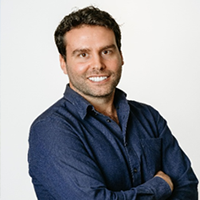
MSc Eng. Mech (UCT), BEng Mechatronics (Stellenbosch)
After developing cardiac implants and equipment for specialist interventions, Braden co-founded AI Diagnostics to develop diagnostic solutions for the other end of the healthcare funnel, primary healthcare workers. AI Diagnostics’ flagship product accurately detects tuberculosis by analyzing patients’ lung sounds captured on their easy-to-use AI enabled stethoscope.
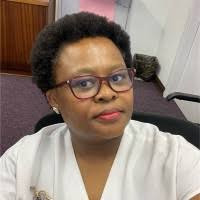
Boitumelo Seepamore is a lecturer at the University of KwaZulu-Natal, South Africa. She is an experienced public health social worker and qualitative researcher working in the field of Drug-resistant TB and HIV. Her work in South Africa examines public health social work interventions, palliative care, psychosocial support, caregiving practices and adherence in vulnerable and stigmatised populations particularly in TB care. Boitumelo currently participates in a randomized control adherence intervention trial for people with DR-TB HIV in KwaZulu-Natal and works closely with other organisations and groups in public health.
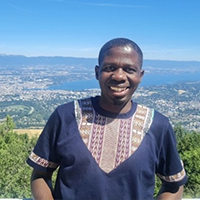
Dr. Ndavheleseni Elias Ramarumo is the Director for Monitoring, Evaluation, Reporting and Learning (MERL) in the Global Fund Cluster at the National Department of Health, South Africa. With over 20 years of experience in public health and development, I lead national MERL systems for HIV/TB programmes funded by the Global Fund. Driven by a strong commitment to global sustainable development, I thrive in collaborative, multidisciplinary environments and actively seeks partnerships that foster learning, innovation, and impact. My professional philosophy is captured in a guiding belief: “When others say it cannot be done, I ask—when can I start?”
Prof Khangelani Zuma is Divisional Executive of Human and Social Capabilities and Head of Biosta-tistics at the Human Sciences Research Council in Pretoria. He is an experienced statistician with over 12 years of expertise in large-scale surveys and clinical trials, contributing to study conceptualisation, design, and implementation. His research interests include survey design, advanced statistical model-ling (including linear, non-linear, and hierarchical Bayesian models), correlated survival analysis, and epidemiological modelling of infectious diseases, particularly HIV incidence estimation and evaluation of intervention programmes.
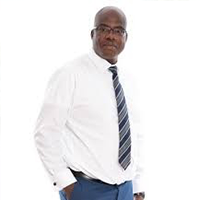
He has extensive teaching experience in statistics at undergraduate and postgraduate levels and has authored and co-authored peer-reviewed publications in HIV/AIDS, sexually transmitted infections, migra-tion, and biostatistics. He regularly presents at na-tional and international conferences. He chairs the Ministerial Health Data Advisory and Coordinating Committee and serves on the Statistics Council of Statistics South Africa. He is also an Honorary As-sociate Professor in the School of Public Health, appointed in 2018.
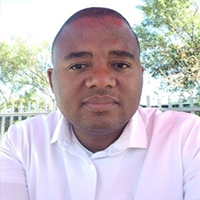
A professional nurse and Assistant Manager for communicable diseases at national level with the Department of Correctional Services, he plays a key role in communicable disease surveillance, prevention and control in correctional settings. His work includes policy development, strengthening infection prevention strategies and analysing epidemiological data to inform targeted interventions among high-risk populations. He holds a diploma in nursing science, B Cur ( ADM et Edu) Occ Health Nursing Science and diploma in Ophthalmology nursing science. Currently pursuing a Master in Public Health (Epidemiology and Biostatistics) at the University of Kwazulu – Natal. He is committed to advancing evidence based disease prevention. He also serves as Chairperson of the South African Society for Ophthalmic Nurse.
Solly Nduku is a South African public health professional known for his work in tuberculosis (TB), HIV programmes, and community health systems strengthening.
Career & Contributions
Mr Nduku has been involved in public health and TB programme implementation initiatives in South Africa
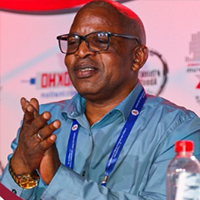
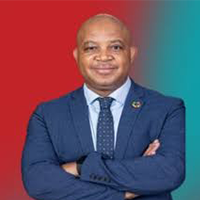
Dr Tshepo Sedibe is a South African medical and occupa-tional health professional known for his leadership in workplace wellness, HIV/AIDS management, mental health advocacy, and employee health programmes in the mining sector.
Dr Sedibe is especially recognised for helping drive De Beers’ pioneering HIV/AIDS workplace programmes in Southern Africa. Under these initiatives, the company introduced free HIV testing, counselling, antiretroviral treatment, and support programmes for employees and their families. Reports indicate these interventions signifi-cantly reduced AIDS-related mortality among employees and improved HIV treatment outcomes.
He is based in Johannesburg and has represented De Beers in national and regional health initiatives involving gov-ernment, labour, and industry stakeholders.
Kholiswa Vimbayo is a South African politician who has represented the African National Congress (ANC) in the Eastern Cape Provincial Legislature since 2019. Until 2019, she was the Mayor of Chris Hani District Municipality.
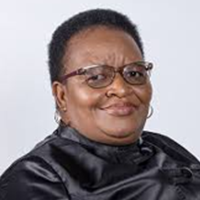
Vimbayo was formerly the Executive Mayor of Chris Hani[1][2] and the Regional Chairperson of the ANC’s branch in the area.[3] She lost the latter position at a regional party conference in August 2018, when Wongama Gela won election to the position, secur-ing 144 votes against Vimbayo’s 29.[3] The following year, in the 2019 general election, Vimbayo was elected to an ANC seat in the Eastern Cape Provin-cial Legislature, ranked 35th on the ANC’s provincial party list

Dr Thabo Mpotje Is an immunologist and Senior Research Scientist with expertise in the pathophysiology and immunobiology of infectious diseases, with a particular focus on host immune responses that drive disease progression and tissue pathology. I am currently affiliated with the Africa Health Research Institute (AHRI) in South Africa and hold a joint affiliation with the School of Life & Medical Sciences at University College London.
I obtained my PhD in Medicine, specialising in Clinical Sciences and Immunology, from the University of Cape Town, where I also completed my MSc in the same field. My research integrates cellular immunology, translational science, and experimental models to identify host factors that influence disease outcomes and to uncover novel targets for host-directed therapies.
My work has contributed to advancing the understanding of immune-mediated pathology in infectious diseases, including tuberculosis and schistosomiasis. I have authored over 17 peer-reviewed publications in internationally recognised journals such as EMBO Molecular Medicine, Mucosal Immunology, Frontiers in Immunology, and the Journal of Experimental Medicine. My research has been supported by competitive funding, including awards from the South African Medical Research Council (SAMRC), as well as support linked to Wellcome Trust and Bill & Melinda Gates Foundation initiatives.
In addition to my research, I am actively involved in postgraduate supervision and mentorship, having co-supervised MSc and PhD students and supported the development of emerging researchers. I contribute to teaching through guest lectures in advanced immunology and interdisciplinary programmes, and I serve the scientific community as a reviewer for funding bodies and international conferences.
My research vision centres on advancing host-directed therapeutic strategies and developing translational immunology platforms to address major health challenges in South Africa and globally, including infectious diseases, respiratory patholog
Dr Gloria Maimela is a South African public health researcher and medical scientist known for her contributions to health systems strengthening, implementation science, and community-based healthcare research. Her work focuses on improving access to quality healthcare services, particularly in underserved and rural communities in South Africa. Dr Maimela has been actively involved in research addressing non-communicable diseases, HIV/AIDS, tuberculosis, and integrated healthcare delivery models. She has collaborated with academic institutions, government departments, and research organizations to develop evidence-based strategies that support effective healthcare interventions and policy development. Throughout her career, she has contributed to several peer-reviewed publications and public health initiatives aimed at enhancing patient care, disease prevention, and health outcomes. Her research and leadership continue to play an important role in advancing equitable healthcare systems and strengthening public health practice in South Africa and across the African continent
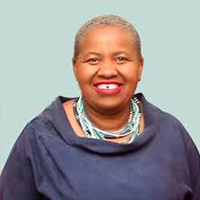
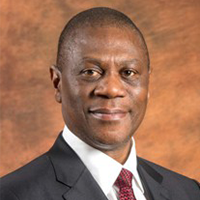
Paul Mashatile is a South African politician and senior leader of the African National Congress (ANC) who currently serves as the Deputy President of the Republic of South Africa. Born in Gauteng, he became politically active during the anti-apartheid struggle and played a significant role in youth and community mobilization during South Africa’s liberation movement. Over the years, he has held several important leadership positions, including Premier of Gauteng Province, Minister of Arts and Culture, and Treasurer-General of the ANC. Known for his experience in governance and public administration, Mashatile has contributed to policy development, economic transformation, and social development initiatives within the country. As Deputy President, he supports national government programmes aimed at strengthening economic growth, job creation, infrastructure development, and regional cooperation across Africa. His leadership continues to influence South Africa’s political landscape and democratic governance through public service and national development efforts.
CONTACTS
GENERAL QUERIES
Tel: +27 87 821 1109 / 012 110 4080
info@tbconference.co.za